The solo creator
Build a small batch of social visuals from one concept. Generate a hero frame, a close crop and a background variation so the post feels like a set rather than a one-off.
See how to use RunningHub AI
Free image workflow
RunningHub AI image generation free access is useful when you need a convincing first visual without building a complicated production stack. Describe a scene, compare directions and turn the strongest result into a repeatable workflow.
Start with an imageThe hard part is rarely having an idea. It is getting from a rough sentence to an image that is specific enough to use. Switching between disconnected tools can slow a small campaign, make visual references inconsistent and turn every revision into another manual setup.
RunningHub AI keeps the start simple while leaving room for control. You can test a product mood, a social thumbnail or a story frame, then revisit the useful settings instead of starting from zero. If the goal is a repeatable process, the RunningHub AI workflow route gives the next step: connect prompts, models and outputs into one clearer sequence.
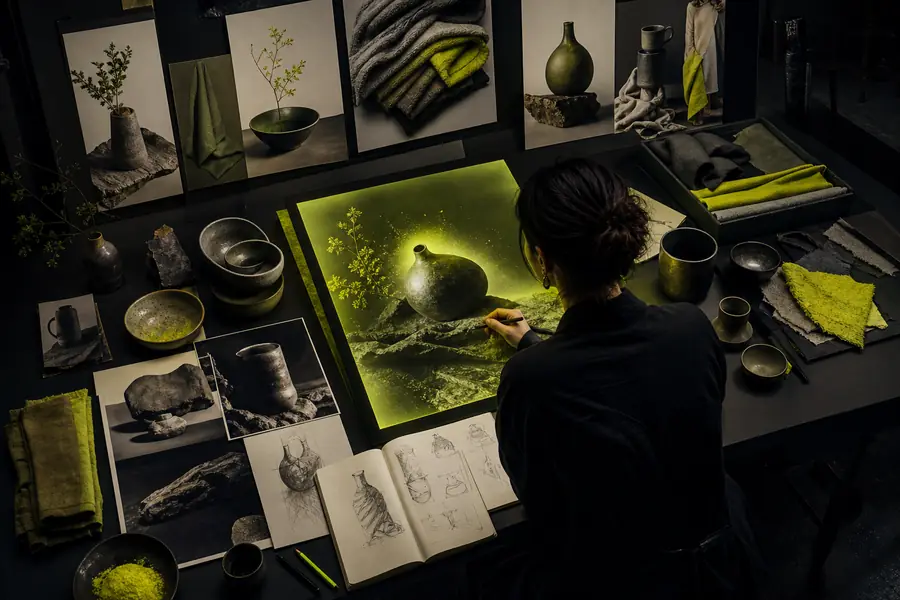
Name the subject, setting, light and intended use. A focused prompt gives image generation a useful direction.
Generate several interpretations, then keep the composition, palette and level of detail that fit the brief.
Use the strongest image as a reference for later prompts, edits or connected creative workflows.
Continue the route
Use these focused guides to understand the workspace, choose a model and move from a single image into a more dependable creative system.
Practical starting points
The same image generation route can solve different problems when the prompt is shaped around the person, the output and the next decision.
Build a small batch of social visuals from one concept. Generate a hero frame, a close crop and a background variation so the post feels like a set rather than a one-off.
See how to use RunningHub AIExplore campaign directions before a shoot or design review. Test materials, lighting, environments and framing while the brief is still flexible.
Compare the RunningHub AI models listCreate a consistent story frame by defining recurring details: character traits, lens language, color temperature and the emotional beat of each scene.
Understand what is RunningHubTurn an approved visual language into a shared process. Keep prompts, references and preferred models close enough for a team to repeat the result.
Explore RunningHub AI online free accessWhat a useful first pass contains
A strong first pass is not only a pretty frame. It gives you a direction to evaluate, a reference to refine and enough consistency to decide what should happen next.
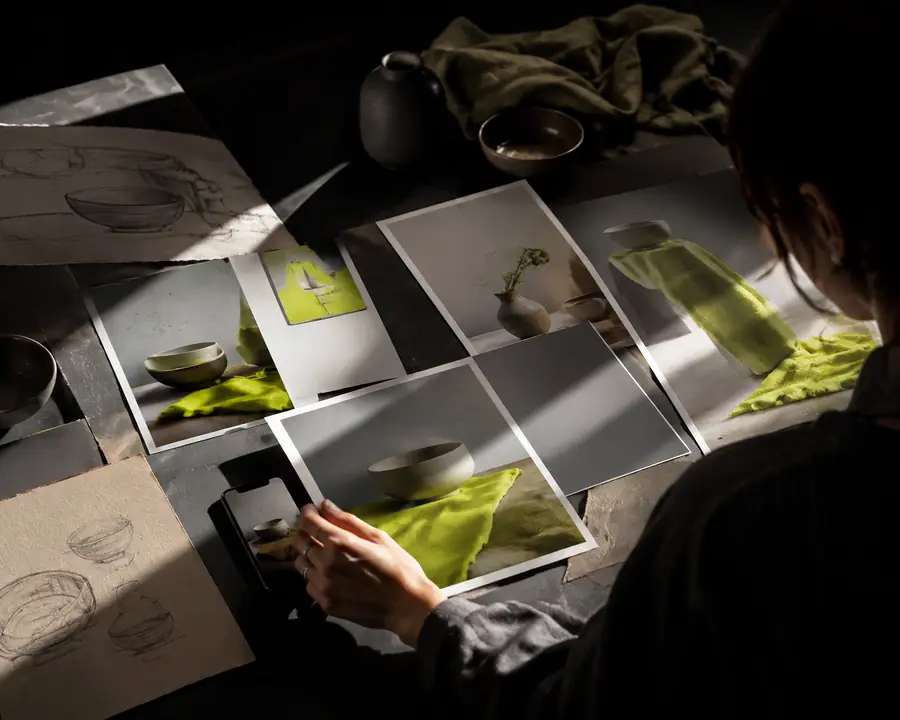
A mood-led frame can establish the lighting, palette and camera language before production begins.
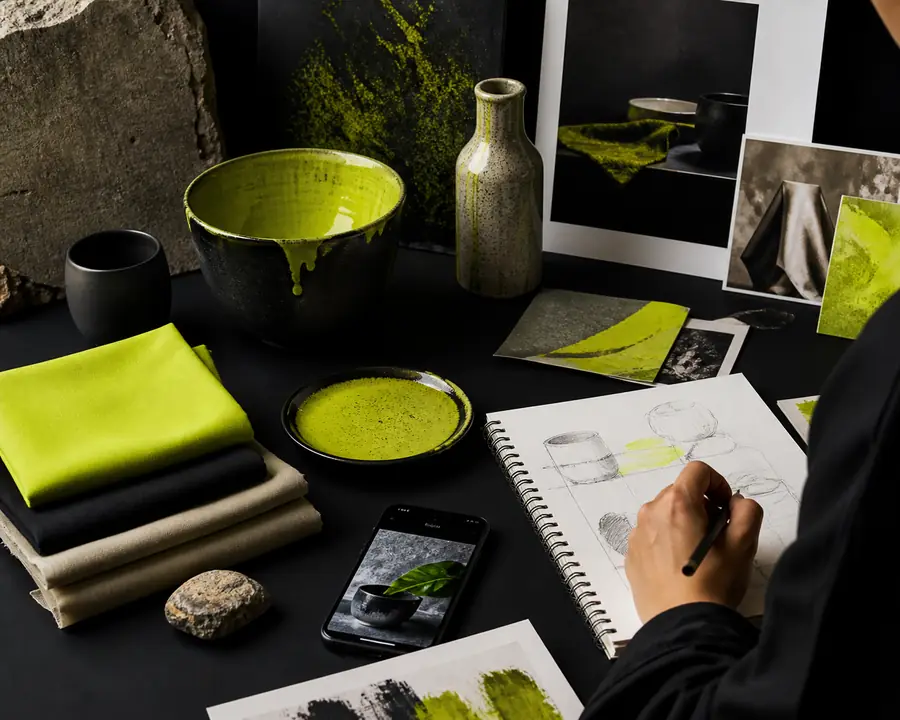
A product composition helps a team discuss scale, surface, background and the feeling of the final image.
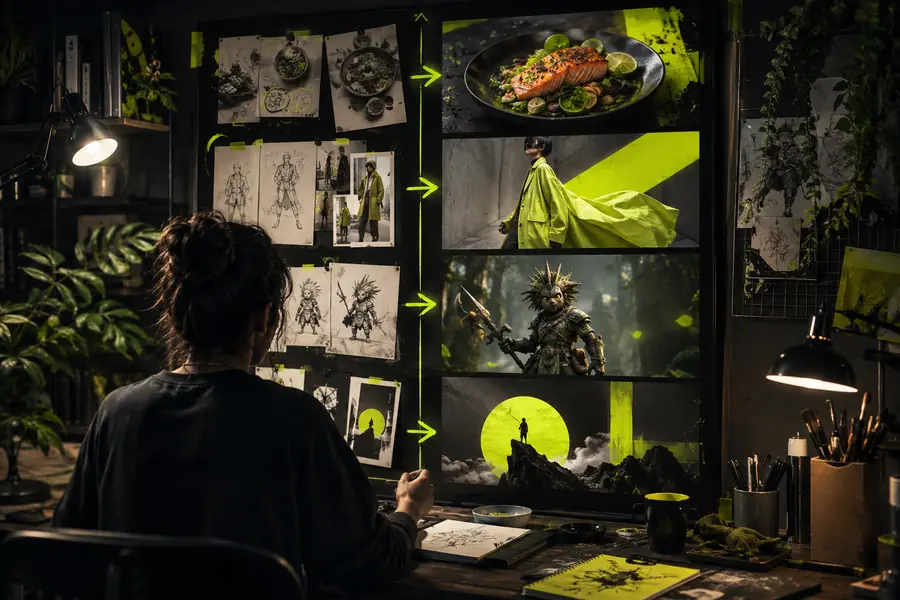
A character study becomes a reference point for later scenes, crops and connected image generation steps.
Use the route with clear expectations
Free image generation is best treated as an exploration layer. Review the output, the source material and the intended use before anything becomes public or commercial.
An generated image is not automatically cleared for every use, especially when recognizable people, brands or protected creative references are involved.
Workaround: check the rights of your inputs and review the output for trademark, likeness and copyright concerns.
Hands, small lettering, logos, tiny objects and complex reflections can still require editing after the first image generation pass.
Workaround: use the output as a structured draft, then correct important details in an editor or design tool.
A prompt can suggest a direction, but it cannot decide your audience, message, accessibility needs or final delivery specifications.
Workaround: write the communication goal first and use the generated image to test whether the visual supports it.
Availability, queue behavior, model selection and usage limits can vary as RunningHub AI updates its services and adds new tools.
Workaround: confirm the current terms and test a small, non-critical task before planning a larger batch.
Answers before you start
These practical questions cover the most common decisions around trying RunningHub AI for online image creation.
| Question | Answer |
|---|---|
| Can I create images online without paying? | RunningHub AI provides an online starting point for testing image ideas. Current availability and limits depend on the service conditions at the time you use it. |
| Do I need to install software first? | The online workflow is designed to let you begin in the browser, making it practical for a quick concept test or a shared review. |
| What kinds of images work well? | Product scenes, editorial portraits, social backgrounds, story frames and visual references are useful starting points because the goal is easy to describe and compare. |
| Can it create accurate text or logos? | Do not assume small text, brand marks or precise lettering will be correct on the first pass. Plan to add or repair those elements separately. |
| Can I use the results commercially? | Commercial use depends on the current terms, your source material and the content of the result. Review all three before publishing an important asset. |
| How do I get a more consistent result? | Keep the subject description, visual references, camera language and color direction stable, then change one variable at a time so each revision teaches you something. |